Build Canada’s research advantage

Mobilize university research to advance Canada's national priorities and build sovereign capability
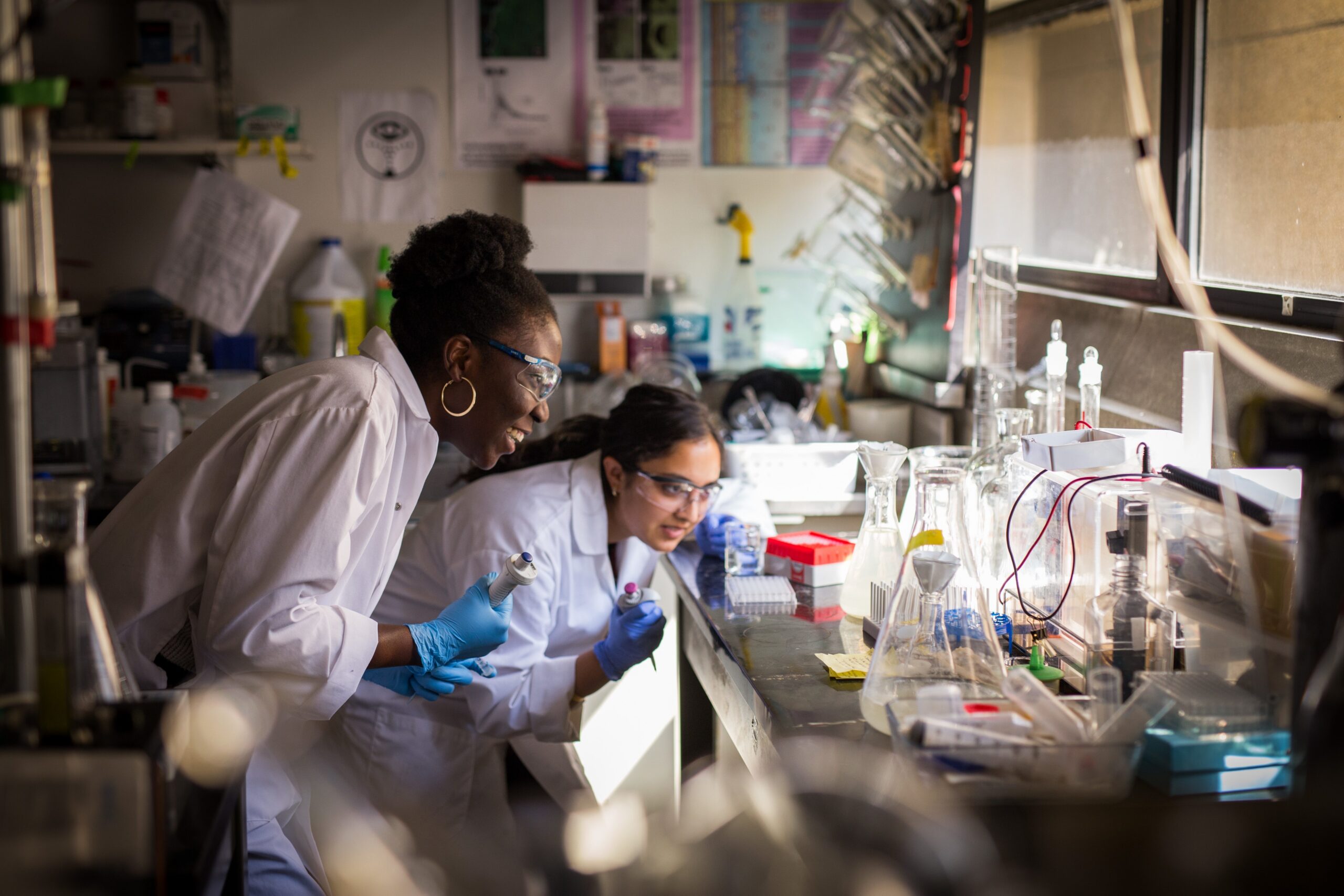
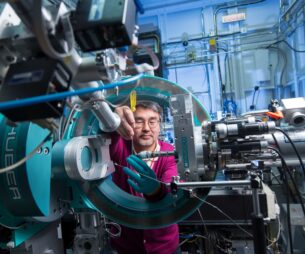
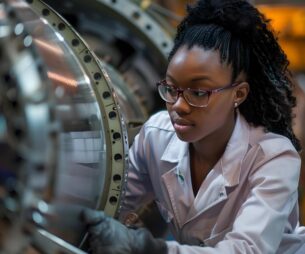
Two students working in a research lab.

To strengthen Canada’s economy, security and global competitiveness, the country needs research capacity that can respond to national priorities and emerging challenges. That means advancing breakthroughs in areas such as artificial intelligence, health, clean growth and defence, while also generating the legal, ethical and public policy expertise needed to ensure new technologies are developed responsibly.

Universities help make that possible. Institutions of all sizes contribute to Canada’s research ecosystem by driving discovery, training talent, supporting communities and helping governments and industries respond to complex challenges. From scientific breakthroughs to policy expertise and community-based research, universities help Canada stay competitive in a rapidly changing world.

Here’s how Canada can build a stronger research advantage:

  • Strengthen pathways that help move university research from early-stage discovery to real-world application in areas tied to Canada’s economic and national priorities.
  • Better align federal research investments with strategic sectors while supporting the full range of research expertise — including scientific, legal, ethical and public policy research — needed to help Canada respond to emerging challenges.

By the numbers

  • $19B

    in R&D

    The higher education sector performed $19 billion in research and development in 2024, accounting for 33 percent of total Canadian research and development.

  • 909

    startups

    As of 2024, 909 startups dedicated to commercializing technologies from Canadian universities and their affiliated institutions were operational.

  • $48.6B

    in economic impact

    As a $48.6 billion enterprise in direct expenditures, universities are one of Canada's most vital economic sectors, comparable in size to the agricultural sector and significantly larger than the aerospace, steel and aluminum industries.

Publications

News from our universities